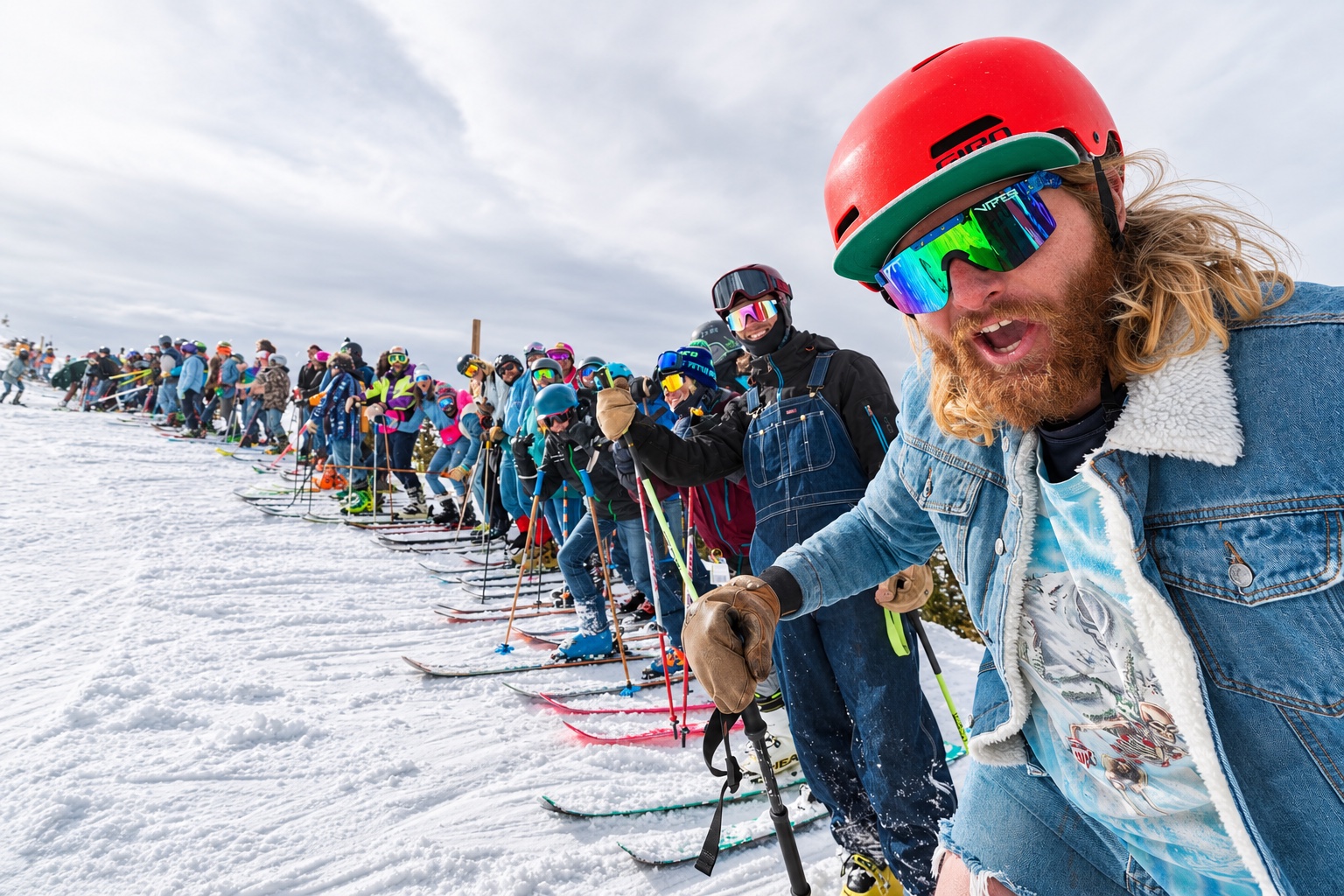

Pit Viper is a Utah-based eyewear company that started on Kickstarter in 2012 and makes loud, sport-style polarized sunglasses. It sells them through its own website, in more than 1,000 retail stores and on Amazon.
In spring 2026, Pit Viper’s team went looking for a partner that could make its Amazon ads earn real profit inside a firm budget.
Laurence was that partner.
Competitors held the top of Pit Viper’s own searches
Pit Viper managed its Amazon ads in house, with one specialist running both the catalog and the ads. The campaigns grouped many products together, so there was little data on how any one pair sold. And in the month before Laurence started, Pit Viper’s ads got almost no clicks on searches for “pit vipers,” while competitors bought the top of those results.
Pit Viper measures Amazon in profit dollars
Pit Viper tracks profit, not ROAS. For each product, it takes every sale, paid and organic, times its margin, and subtracts the ad spend. That net profit in dollars is the number it judges its ads by. It also wants the profit to be new: much of its demand comes from its Meta ads and its brand, so an ad that only catches a shopper already looking for Pit Viper adds little.
Specifically, Pit Viper needed a partner that could:
- Keep its own shoppers. A search for Pit Viper by name should find Pit Viper, not a lookalike.
- Grow net profit inside a firm budget. Every ad dollar had to show up in profit, organic sales included.
- Find new customers. Non-branded searches had to bring in shoppers who did not already know the brand.
- Launch new lines quickly. New products like the Ballistics shooting glasses needed to rank within weeks.
Laurence took on all four, starting with a pilot.
Pit Viper started with a 30-day pilot
The pilot went live in mid-May 2026 on four lines: The Original 2.0, the 2.0 Flip-Offs, The Admirer and Baby Vipes. Laurence rebuilt the campaigns product by product, so each pair built up its own sales data. Ballistics followed in July, and by September Laurence was running 11 of Pit Viper’s 15 product lines.
“We targeted aggressive growth. Overall bottom-line grew faster than spend,” said Garcin.
Laurence ran every bid against Pit Viper’s profit
From the first day, Laurence ran Pit Viper’s ads against net profit. The work fell into five parts.
Its own searches, won back
Laurence bid for the top of Pit Viper’s branded searches on every product in the pilot. Between April and June, the share of all clicks on “pit viper” searches that went to those products rose from 24 to 40 percent.
Broad searches, tested and narrowed
In early June, Laurence tested broad searches like “sunglasses.” They brought clicks but few sales, so Laurence cut them and gave the searches that did sell campaigns of their own. ROAS on The Original 2.0 rose from about 0.9 to about 3.
A plan for Prime Day
Early on Prime Day, CVR was up about 75 percent on CPCs up only about 25 percent, so Laurence pushed spend harder. Over the four days, sales on the products Laurence ran about doubled.
A fast start for Ballistics
Laurence ran non-branded ads on the Ballistics shooting glasses from their first weeks on sale, when Amazon decides where a new listing ranks. By late August, Ballistics had gone from unranked to 26th in Amazon’s Hunting & Shooting Safety Glasses category.
Spend moved to what sells
In mid-July, the two teams set a firm daily budget, and Laurence moved spend to the searches that earned the most profit. In October, it kept the 33 keywords that sold and stopped the other 1,168.
Pit Viper’s net profit grew by a third on less ad spend
In the 30 days after the new budget, from July 13 to August 11, 2026, Pit Viper’s daily ad spend fell 63 percent against the two weeks before, store sales held level and net profit rose 32 percent. Over the first three weeks, ROAS on Sponsored Products rose from 1.66 to 2.85.
“I’ve been really impressed by Laurence’s focus on margin and profits.”